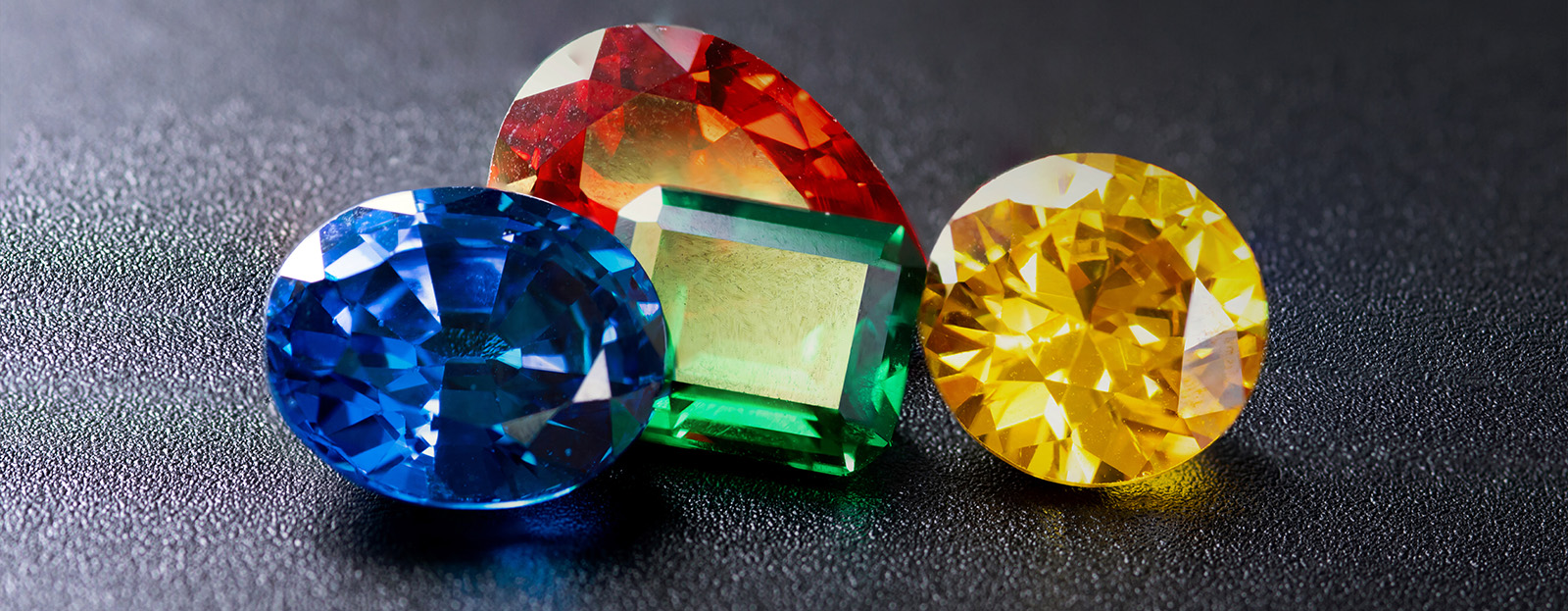
When the word 'diamonds' springs to mind, it conjures up an image of a dazzling, transparent gemstone, symbolizing love, and joy. However, beyond their renowned clarity, diamonds exhibit a captivating array of colours.
Now, let's distinguish between the 'Color' aspect of the 5Cs used to grade diamonds and the spectrum of hues found in fancy coloured diamonds – those displaying natural colours. From vibrant blues and greens to radiant yellows, pinks, and reds, the variety is vast. While shades like blue, pink, and red are exceptionally rare, yellow, and brown hues are more readily available.
Radiating with promise, fancy yellow diamonds often evoke the brilliance of the blazing sun. Occasionally, they exhibit secondary hues such as orange or brown. However, when they dazzle in a vivid, intense yellow hue that captures the heart, they earn the moniker Canary Yellow Diamonds, also known as "Capes." Originating from the late 1800s, this name harks back to an era when numerous diamonds with this striking colour emerged from the mines of South Africa's Cape Province.
When contemplating an investment in yellow diamonds, it's crucial to consider the metal hue used in the setting. Evaluating the contrast or harmony of colors between the diamond and its setting is essential. The metal shade can either provide a striking contrast, enhancing the diamond's brilliance, or harmonize seamlessly with it.
The slightest presence of brown hues can diminish the value of a yellow diamond, whereas green or orange tints can significantly elevate its worth. Therefore, consultingwith experts before making a purchase decision is imperative to ensure informed investment choices.
Blue diamonds owe their mesmerizing colour to the presence of boron. The intensity of the hue correlates directly with the boron concentration, resulting in deeper shades. Remarkably, these diamonds consist entirely of pure carbon, ensuring exceptional durability. Infused with subtle hints of grey, blue diamonds are exceptionally rare, with the renowned Hope diamond standing out as a prominent example in popular culture.
Their scarcity stems from their limited geographical availability, primarily originating from select regions worldwide. Historically, India was a significant source of blue diamonds, but over time, South Africa has emerged as a more accessible location for their procurement.
The inherent rarity and consequent high market value of blue diamonds contribute to their widespread appeal, particularly among diamond investors and collectors. Their appreciating value over time presents an attractive opportunity for lucrative returns on investment, offering tangible enjoyment alongside financial gain.
Determining the precise colour grading of blue diamonds falls within the purview of esteemed gemological institutions, with the Gemological Institute of America (GIA) leading the forefront. Utilizing state-of-the-art equipment, these institutes meticulously analyze the diamond's colour characteristics. Studies have unveiled that blue diamonds are categorized as 'superdeep,' crystallizing at significantly deeper depths compared to their counterparts. Their boron enrichment is believed to originate from the vast depths of the ocean, adding an intriguing dimension to their allure.
Natural green diamonds possess a captivating allure, captivating the beholder with their striking beauty and epitomizing elegance in every facet. The secret behind their verdant hue lies in their exposure to radiation and the presence of defects associated with impurities such as hydrogen, nitrogen, or nickel.
Remarkably, only a limited number of these exquisite green diamonds enter the market annually, rendering them highly sought-after commodities worldwide. Originating primarily from South America and Africa, these gems are exceptionally rare, formed at depths of 150-200 km beneath the Earth's surface over millions of years. Such ameticulous process accounts for their scarcity, adding to their allure as a rare gemstone.